

Top 5 mythical creatures
Hello friends, and welcome to Top 5 Tuesday! This week’s topic is techncially top 5 magical creatures, but I must have completely blanked that we did that back in 2019, so instead I’m doing top 5 mythical creatures.
As a lifelong cat person, magical cat creatures will probably always sit at the top of my personal fantasy hierarchy. I stand by my 2019 post about fictional non-cats with my entire chest.
But this time, I wanted to go a little older. A little stranger. Maybe more folklore-heavy. Admittedly less magical. Definitely more mythological.
One of the things I love most about mythology and fantasy is how often creatures reflect the fears and values of the cultures they come from. Celtic creatures feel wild and dangerous in deeply atmospheric ways. Slavic folklore tends to lean towards the uncanny and ancient. Norse mythology often feels brutal and inevitable. And across all of them, there’s this fascinating overlap between beauty and danger.
Which, honestly, is probably why fantasy readers love them so much.
If you’re looking for books with magical creatures inspired by mythology and folklore, these are five of my favourites — both for the creatures themselves and the stories built around them.
To note: I have sourced images below from the internet (Pinterest) and provided the best credit I could find. Please let me know if it’s wrong, I am very happy to update.

InLinkz reminder
A reminder to everyone before we begin: We’re using InLinkz! What this means is that you will be in charge of linking your own posts here! Rather than me scouring the web (or my spreadsheet) for them. I will likely be posting ahead of everyone because of *timezones*, so it should be relatively easy for everyone to drop links for your posts. Unless I screwed something up. (It happens more often than you think…)
Upcoming topics
Top 5 Tuesday topics for 2026 are here. If you have an idea for a topic, I am always open to hearing it! The date format is DD/MM/YY, and topics are listed by month. You can even click on tabs for previous years and check out past topics too.
Top 5 Tuesday was created by Shanah @ Bionic Book Worm, and is now being hosted here at Meeghan reads.
top 5 mythical creatures
Capaill Uisce — Celtic folklore

Cerberus — Greek mythology
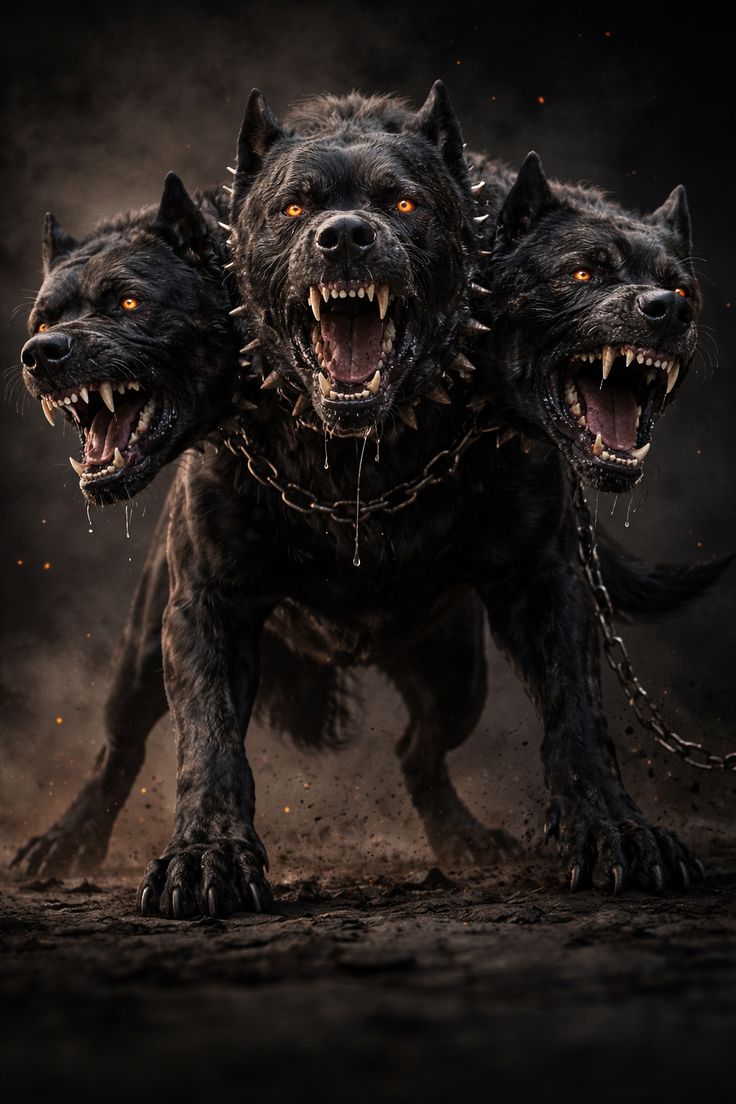
Featured in: Greek mythology (and every fantasy lover’s collective desire to pet things they absolutely shouldn’t)
Is Cerberus objectively horrifying? Yes.
Or, is he just a giant puppy guarding the Underworld? Also yes.
Cerberus is one of the most iconic creatures in Greek mythology. He is the multi-headed hound tasked with guarding the gates of the Underworld and preventing the dead from escaping. But despite the whole “monstrous guardian of the dead” thing, there’s something weirdly endearing about him.
Maybe it’s because modern fantasy has collectively decided that terrifying magical dogs are still, fundamentally, dogs.
What I love about Cerberus in mythology is how clearly he represents threshold spaces. He exists between life and death, civilisation and chaos, and safety and danger. And yet modern retellings often soften him slightly, turning him into a creature readers are fascinated by rather than simply afraid of.
Which is understandable. I, too, would risk it all to pat the giant death puppy.
Image by Kovarikitti on Pinterest.
Leshy — Slavic folklore

Featured in: The Witcher and Slavic folklore
Slavic folklore creatures have a very different energy to a lot of Western fantasy monsters. They tend to feel older, stranger, and much more tied to the natural world. The Leshy is a perfect example of that.
Traditionally, the Leshy (somewhat different from Dryads) is a forest spirit associated with wilderness and nature (less cute forest nymph and more terrifying tree monster). Depending on the story, it can be protective, dangerous, mischievous, or outright monstrous. It’s not evil in a straightforward sense. It simply operates according to rules that humans don’t fully understand. Much like the fae.
Which is exactly what makes it so compelling.
Modern fantasy adaptations, particularly The Witcher (is this also a subtle excuse to mention Henry Cavill? who can say 👀), lean heavily into the unsettling nature of the creature. The Leshy feels otherworldly in a way that many fantasy monsters don’t. Like the forest itself has become sentient and decided humans are no longer welcome there.
And honestly? That’s excellent creature design.
Image by Vishal Singh on Pinterest.
Draugr — Norse mythology

Featured in: Game of Thrones — vibes north of the Wall
Norse mythology does not do things halfway.
The draugr are undead creatures from Norse folklore, often associated with greed, burial mounds, vengeance, and physical decay. Unlike modern zombies, draugr aren’t mindless — they’re often depicted as powerful, intelligent, and deeply hostile beings that retain aspects of who they once were.
Which makes them significantly more terrifying.
A lot of modern fantasy draws on this imagery, but nowhere do I feel the influence more strongly than in the creatures lurking north of the Wall in Game of Thrones. That same sense of ancient death, relentless cold, and inevitability feels deeply rooted in Norse mythological storytelling.
There’s something uniquely horrifying about mythology that treats the dead not as tragic figures, but as active threats that refuse to stay buried.
Image by Zorkan KingDragon on Pinterest.
Aos Sídhe — Gaelic mythology
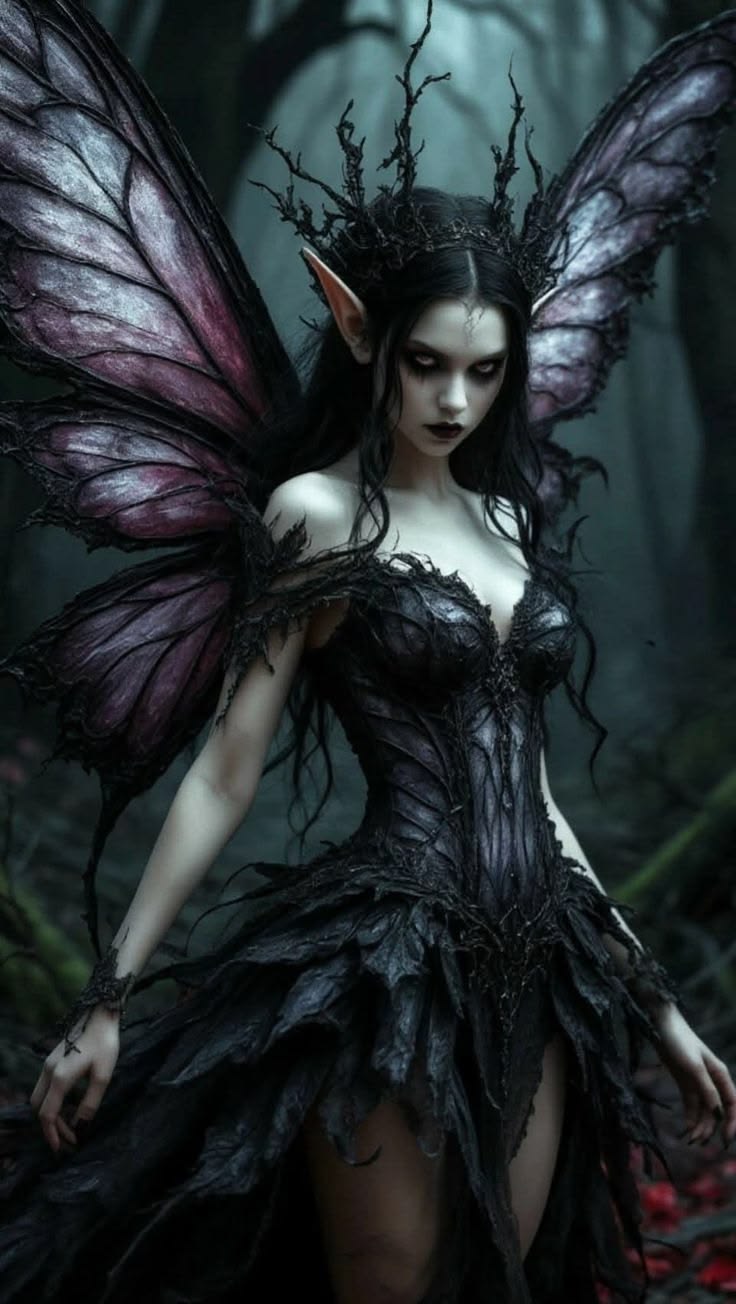
Featured in: The Folk of the Air, Shadowhunters, Reasons Not to Make Bargains in Fairy Circles (not a book, just good life advice), and every fae romantasy book in existence
Modern fantasy has done a lot to soften fae creatures. Old folklore absolutely did not.
The Aos Sídhe of Gaelic mythology are not tiny sparkly fairies fluttering around flower gardens. They’re powerful, unpredictable beings tied to bargains, rules, hospitality and terrible, violent punishments. They operate according to their own logic, and humans survive encounters with them mostly by being very careful.
Which is precisely why they work so well in fantasy.
The Folk of the Air series captures this especially well, leaning into the cruel beauty and danger of fae courts in a way that feels much closer to older folklore traditions than many modern romantasy interpretations. And while many of these romantasy books takes a different approach, you can still see those roots in the way supernatural beings interact with power, promises, and identity.
Personally, I will always prefer fae that feel slightly terrifying. If they seem too trustworthy, what’s even the point?
Image by VsArT on Pinterest.
Why folklore creatures work so well in fantasy
I think mythology-based creatures tend to linger longer in our minds because they already carry centuries of storytelling behind them.
These creatures weren’t originally created just to be “cool monsters”. They reflected fears, beliefs, landscapes and warnings. Oceans became deadly horses that will drag you under. Forests became ancient spirits. The dead became something that could still reach back for the living.
Fantasy gives those stories new shapes.
And honestly, I love that modern books and media continue to reinvent them while still holding onto the atmosphere that made them compelling in the first place.
PARTICIPANTS
What are your top 5 mythical creatures?

meeghan
Hi!! I'm Meeghan 😊 I like books (surprise). I also like games (board, video and D&D), baking (mostly cakes) and travel. I live in Canberra, Australia with Husband and 3 black rescue kitties.


7 Comments
Marianne @ Let's Read
As you know, I’m not much into fantasy but I did five books with magical creatures. It was fun.
meeghan
Oh I love that you still posted!! 💖
Marianne @ Let's Read
I read such a variety of books, there is always something I can come up with. Did you see my creatures?
meeghan
Yes! I love the Gruffalo! It’s one of my fave kids books. I even have a plushie 😂
Marianne @ Let's Read
They were not available when my kids were little, otherwise we certainly would have had one, as well.
Gem's Book Talk
Love this list! And I completely agree in preferring my fae more dangerous and tricksy!
meeghan
Yes! Bring on the salt and rowan berries!